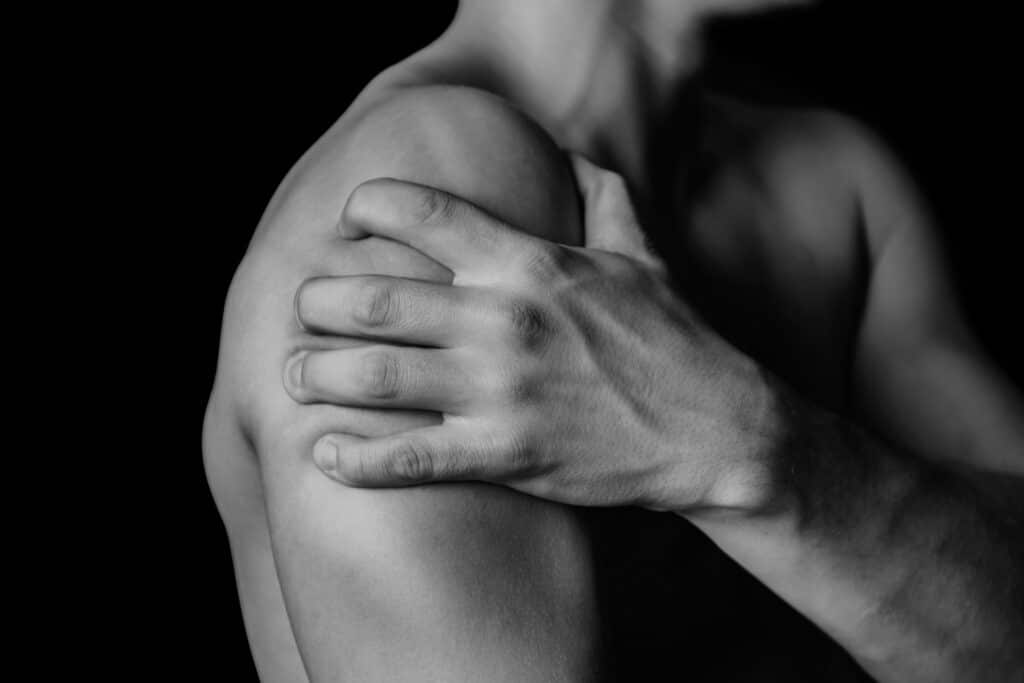
Whether you’re hitting the gym regularly, playing sports, or simply trying to stay active as you age, recovery matters. Muscles need time and the right biological conditions to repair themselves after physical activity. Red light therapy has gained attention as a noninvasive option that may support this natural recovery process.
At West Coast Men’s Health, Medical Director Dr. Jonathan Hodor and the clinical team take an evidence-based approach to red light therapy, helping men determine how it may fit into a broader plan for physical performance and wellness.
Why Your Muscles Need Time to Recover
Exercise temporarily stresses muscle tissue. Your body responds by beginning repair and adaptation processes that help muscles recover and prepare for future activity.
Sleep, nutrition, hydration, training intensity, and overall health can all influence how quickly you feel ready to exercise again. Recovery may also become more noticeable as you get older, particularly if soreness or stiffness makes it harder to maintain your normal routine.
How Red Light Therapy May Support Recovery
Red light therapy uses specific wavelengths of red and near-infrared light that penetrate tissue and interact with cells. This process, often called photobiomodulation, has been studied for its potential effects on mitochondrial function, cellular energy production, circulation, and the body’s normal inflammatory response.
For muscle recovery, these effects may help create conditions that support normal tissue repair following physical activity. Some research has also examined photobiomodulation for exercise-related muscle soreness and physical performance.
However, red light therapy isn’t a replacement for rest or appropriate medical care when you have an injury.
Should You Use Red Light Therapy Before or After Exercise?
You may incorporate red light therapy before or after physical activity, depending on your goals and treatment plan. Rather than focusing on one “perfect” time, consistency and an individualized approach may be more useful.
Your medical team can help determine an appropriate treatment schedule based on your activity level, health, and reasons for considering therapy.
Make Recovery Part of Your Bigger Health Plan
Recovering well can help you stay consistent with exercise, which supports muscle strength, metabolic health, cardiovascular fitness, and healthy aging. Red light therapy may be one component of that strategy, alongside good nutrition, sleep, and appropriate physical activity.
If you’re interested in red light therapy for muscle recovery, contact West Coast Men’s Health to schedule a consultation with Dr. Hodor and the clinical team.