
Serving Walnut Creek CA, San Mateo CA, San Diego CA, Roseville CA, Elk Grove CA, Redmond WA, and Tacoma WA
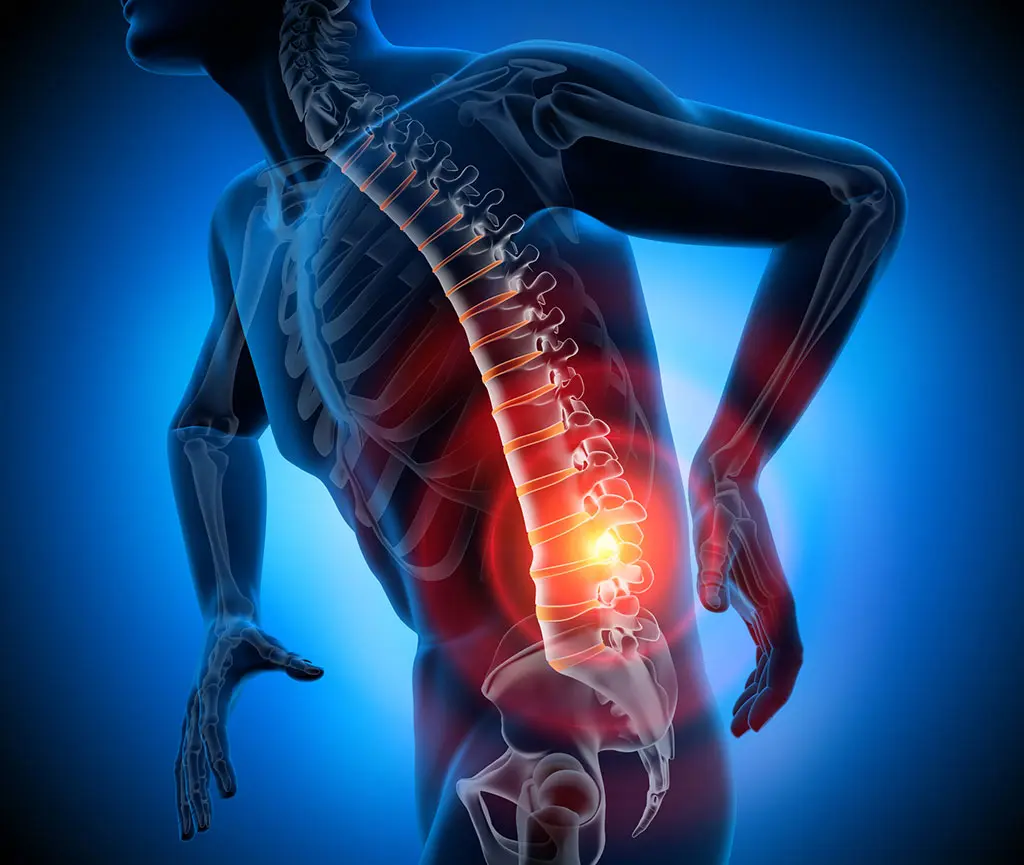
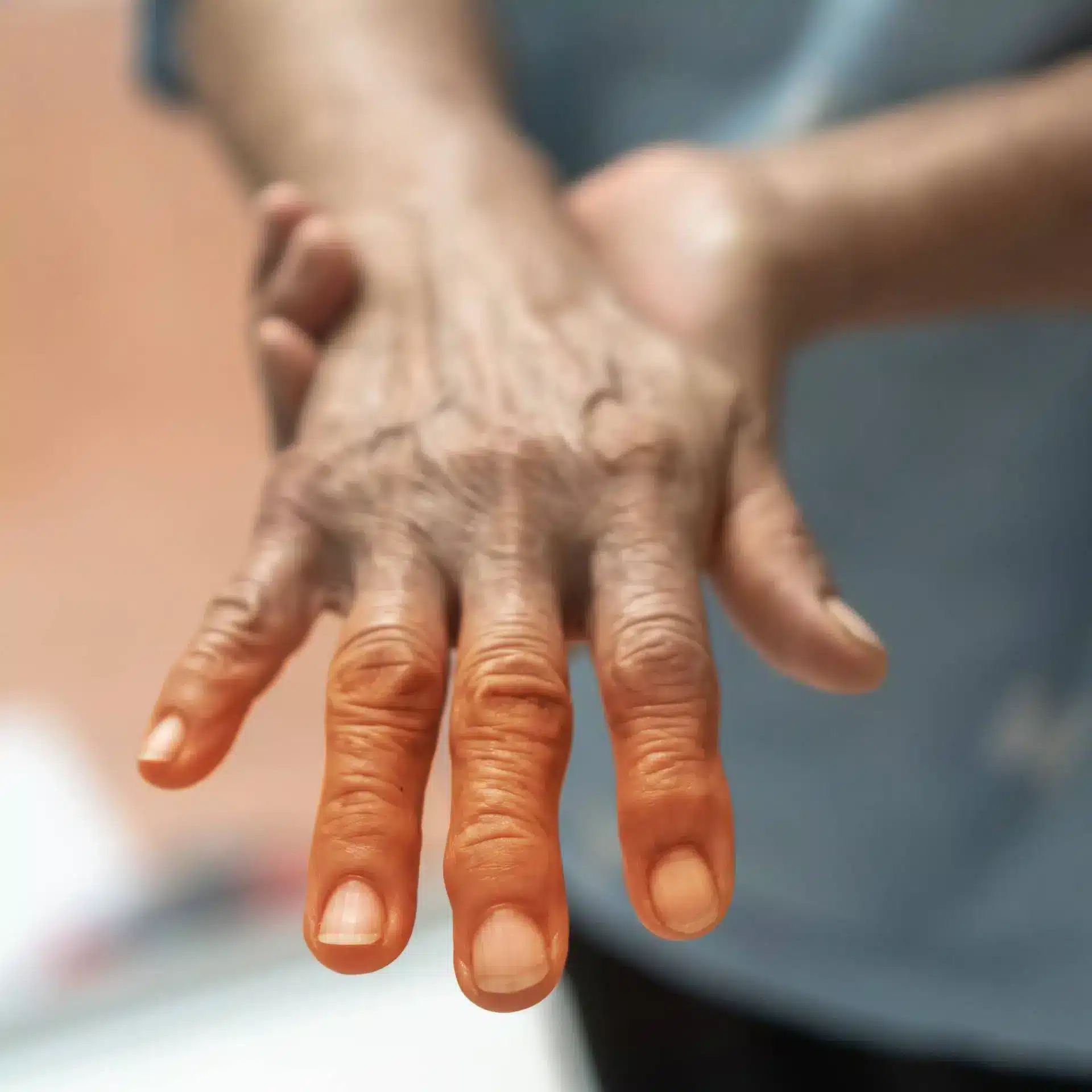
Chronic, localized pain can quietly limit how men move, work, and enjoy daily life. Discomfort in the joints, muscles, tendons, or soft tissues often develops over time and may persist despite rest, medication, or physical therapy. For many men, especially as they age, pain becomes something they manage rather than resolve. Localized pain management focuses on addressing pain at its source with treatments designed to support the body’s natural healing response.
At West Coast Men’s Health, localized pain management is provided in a medical setting led by Medical Director Dr. Jonathan Hodor. Care is grounded in evidence-based therapies and conservative treatment planning, helping men pursue relief that feels medically sound, safe, and realistic.
What Is Localized Chronic Pain Management?
Localized pain management involves targeted therapies designed to treat pain in specific areas of the body rather than relying solely on systemic medications. One of the primary tools used at West Coast Men’s Health is focused Acoustic Wave Therapy, a noninvasive treatment that uses high-pressure sound waves to stimulate tissue repair and circulation.
Acoustic waves have been used in medicine since the early 1990s. The science behind this therapy is similar to lithotripsy, a technology used to break up kidney stones without surgery. During early use, clinicians observed that patients experienced improvement in unrelated aches and pains, which led to further research and the development of devices specifically designed to treat musculoskeletal and soft tissue conditions.
How Acoustic Wave Therapy Works
Focused Acoustic Wave Therapy targets pain in bones, joints, muscles, tendons, and ligaments. A handheld device is applied to the affected area and delivers sound waves that travel into the tissue beneath the surface. These sound pulses are intended to stimulate blood flow, activate the body’s natural repair processes, and support tissue regeneration.
This therapy is noninvasive and does not require surgery or injections. For men with scar tissue contributing to pain or limited mobility, acoustic wave therapy may also help break down thick, fibrous tissue, which can improve movement and reduce discomfort over time.
Conditions Commonly Addressed With Localized Pain Management
Localized pain management at West Coast Men’s Health may be considered for several common conditions, including:
- Chronic joint, muscle, or tendon pain
- Neuropathy-related discomfort, including pins and needles sensations and balance concerns
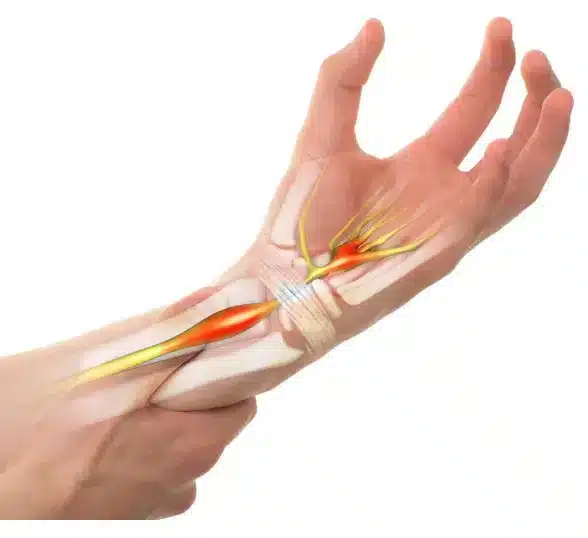
- Carpal tunnel symptoms affecting the wrist and hand
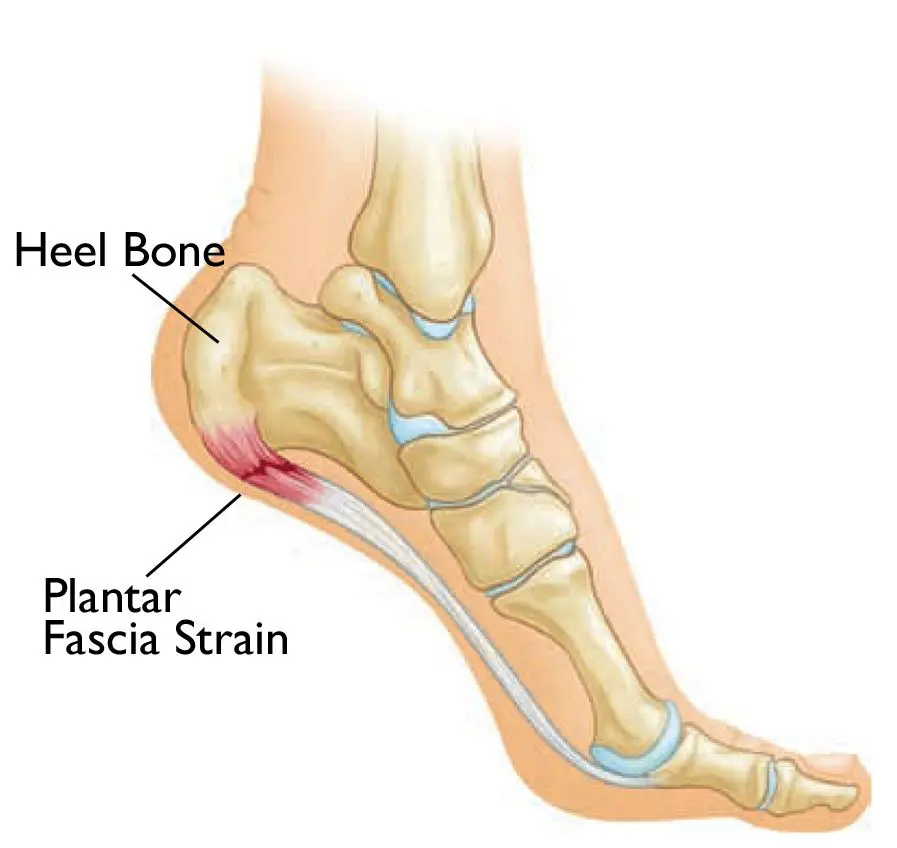
- Plantar fasciitis and heel pain, particularly pain that is worse in the morning
For neuropathy, low-intensity acoustic waves may help improve blood flow to affected nerves, which can support nerve health and reduce discomfort. In cases of carpal tunnel syndrome, research has shown that shockwave therapy may support healing by stimulating metabolism and circulation in the affected area. For plantar fasciitis, acoustic wave therapy has emerged as a noninvasive option that may help some patients avoid more extensive interventions.
Is Localized Pain Management Right For You?
Localized pain management may be appropriate for men who have persistent pain affecting mobility, comfort, or daily activities. It is often considered by men who want to explore noninvasive options before considering more aggressive treatments.
This approach is not designed to promise guaranteed outcomes. Results vary, and treatment works best when expectations are realistic and care is medically guided.
What You Can Expect from Localized Pain Management Treatment
Localized pain management at West Coast Men’s Health begins with a thorough evaluation to better understand the source, duration, and impact of your pain. This process may include a review of medical history, prior treatments, activity level, and how your pain affects your daily life. The goal is to identify whether targeted, noninvasive therapy is appropriate and to develop a plan that aligns with your condition and long-term goals.
If Acoustic Wave Therapy is recommended, treatment is performed in our office with a handheld device applied directly to the area of concern. Sessions are typically brief, often lasting between 15 and 30 minutes (depending on the size and complexity of the affected area). The treatment does not require anesthesia or injections, and you can resume normal daily activities immediately afterward.
During treatment, you may feel a series of pulsing sensations as acoustic waves are delivered into your tissue. The intensity can be adjusted to maintain comfort while still delivering effective energy to the targeted area. Because therapy is focused locally, care is directed precisely where it is needed rather than affecting your whole body.
Treatment is usually structured as a series of sessions over several weeks. The exact number of visits depends on factors such as the severity of your condition, how long symptoms have been present, and how your body responds to therapy. You may begin to notice early changes in comfort or mobility during your treatment, or experience more gradual improvement as your body’s natural repair processes continue to develop over time.
Follow-up and reassessment are an important part of care. Your progress is monitored, and treatment plans may be adjusted as needed to ensure that therapy remains appropriate and aligned with your goals. This measured approach helps ensure that care is guided by real response rather than assumptions.
How Long Does It Take to See Improvement?
Improvement with localized pain management is typically gradual rather than immediate. Because Acoustic Wave Therapy stimulates your body’s natural healing response, changes often develop over time as circulation improves and tissue repair processes are activated.
You may notice early improvements in comfort or mobility within the first few sessions, particularly if your pain is related to soft tissue tension or circulation. In other cases, especially when pain has been present for a longer period, meaningful changes may take several weeks to become more noticeable.
The timeline for improvement can vary based on individual factors such as your overall health, the specific condition being treated, and your consistency with the recommended treatment plan. Setting realistic expectations and maintaining open communication with a clinician can help ensure that progress is evaluated in a way that reflects each patient’s unique situation.
Is Acoustic Wave Therapy Safe for Pain Management?
Acoustic Wave Therapy is generally considered a low-risk, noninvasive option for treating localized pain when performed in a clinical setting. Because it does not involve surgery, injections, or systemic medications, it avoids many risks associated with more aggressive treatments. Therapy is delivered externally using a controlled device, allowing clinicians to target specific areas with precision.
At West Coast Men’s Health, treatment is approached conservatively, with careful patient selection and individualized planning. Not all conditions are appropriate for this therapy, so evaluations are conducted beforehand. Ongoing monitoring helps ensure that care remains safe, appropriate, and aligned with each patient’s response.
Chronic Pain Management FAQs
Localized pain management is intended for discomfort that can be traced to a specific area, tissue, or condition rather than widespread pain without a clearly identified source. This may include persistent joint discomfort, muscle or tendon pain, heel pain associated with plantar fasciitis, carpal tunnel symptoms, and certain neuropathy-related concerns.
Because similar symptoms can have very different causes, an evaluation is important before recommending treatment. At West Coast Men’s Health, the goal is to understand where the pain originates and whether targeted therapy, such as acoustic wave therapy, is appropriate.
Pain that persists, repeatedly returns, limits movement, or interferes with work, exercise, sleep, or everyday activities deserves medical attention. Evaluation may also be appropriate when symptoms such as numbness, tingling, burning, weakness, or changes in balance accompany the discomfort.
Persistent pain should not automatically be considered an unavoidable consequence of getting older. Identifying the structures and underlying factors involved can help determine which treatment options may provide meaningful support.
Some men continue experiencing discomfort long after an initial injury has healed. Persistent symptoms may be associated with scar tissue, reduced circulation, tendon changes, or other issues affecting how an area functions.
Focused acoustic wave therapy may be considered for certain chronic musculoskeletal concerns because it delivers acoustic energy directly into targeted tissues to support circulation and the body’s repair response. Whether an old injury is appropriate for treatment depends on the nature of the injury, current symptoms, and overall health.
Acoustic wave therapy may be considered for persistent plantar fasciitis and heel pain, particularly when symptoms have continued despite conservative measures. The therapy directs acoustic waves into the affected tissue to stimulate circulation and support natural tissue repair. Because heel pain can have causes other than plantar fasciitis, an evaluation should come first. Treatment recommendations are based on the source and severity of the discomfort, not heel pain alone.
Neuropathy can cause numbness, tingling, burning, discomfort, and other changes in sensation, particularly in the hands and feet. Depending on the cause and individual circumstances, acoustic wave therapy may be considered as a supportive treatment intended to promote circulation in affected areas. Neuropathy has many potential causes, however, and acoustic wave therapy is not appropriate for every case. Medical evaluation is important to understand symptoms and determine whether this type of localized treatment has a role in a broader care plan.
Because acoustic wave therapy is noninvasive and does not require surgical recovery, patients can generally return to their normal daily routine after a session. Recommendations regarding exercise or strenuous activity may depend on the condition being treated, current symptoms, and activity level. The objective of localized pain management is not simply temporary relief, but supporting better function and comfortable movement over time. Your clinician can provide individualized guidance about activity throughout your treatment plan.
Why Choose West Coast Men’s Health For Localized Pain Management?
West Coast Men’s Health is a trusted medical provider focused on men’s health and longevity, led by Medical Director Dr. Jonathan Hodor. Care is delivered by experienced clinicians who use evidence-based therapies and take time to tailor treatment plans to individual needs.
Men choose West Coast Men’s Health because care feels professional, conservative, and focused on long-term function rather than short-term fixes. With multiple locations and a commitment to helping men feel confident, healthy, and connected as they age, the practice provides a reliable setting for localized pain care.
Localized Pain Management
If chronic or localized pain is limiting your comfort or mobility, West Coast Men’s Health offers localized pain management services, and to schedule a consultation you can contact one of our seven locations to speak with an experienced clinician about whether this approach may be appropriate for you.